Your Retirement Account Has More Power Than You Think

Your Retirement Account Has More Power Than You Think
Many Americans encounter the public markets every day, even if they are not actively following financial news. Market indexes such as the S&P 500, the Dow Jones Industrial Average, and the Nasdaq Composite are frequently displayed across news websites, television broadcasts, and workplace retirement platforms. Retirement plans such as 401(k)s and 403(b)s may include investments tied to mutual funds, exchange traded funds, and publicly traded companies.
At Holistic Finance, we believe many investors may underestimate the broader influence their retirement accounts can potentially have beyond long term savings. While retirement investing is commonly associated with financial growth and income planning, it may also play a role in shaping corporate behavior and broader economic trends.
Public Markets Influence Everyday Life
Public markets are deeply woven into the financial structure of the United States economy. According to the Federal Reserve’s Survey of Consumer Finances, a large percentage of U.S. households own stocks either directly or indirectly through retirement accounts and mutual funds.
As we understand it, this means many individuals already participate in the market whether they intentionally focus on investing or not. According to the U.S. Department of Labor, employer sponsored retirement plans often provide participants with diversified investment options that may include mutual funds and other market based investments.
The public markets also operate through pricing signals. According to the Corporate Finance Institute, stock prices can reflect market perceptions about a company’s future profitability, financial health, and operational outlook.
Financial media outlets may frequently analyze these price movements in an effort to explain broader economic conditions and investor sentiment. According to Pew Research Center, financial news remains a significant component of modern media consumption among investors and consumers.
At Holistic Finance, we believe these pricing signals may potentially influence how corporations prioritize business decisions. According to the Harvard Law School Forum on Corporate Governance, public companies often respond to shareholder expectations, market valuations, and investor feedback when evaluating long term strategy and governance practices.
The Potential Connection Between Investing and Corporate Behavior
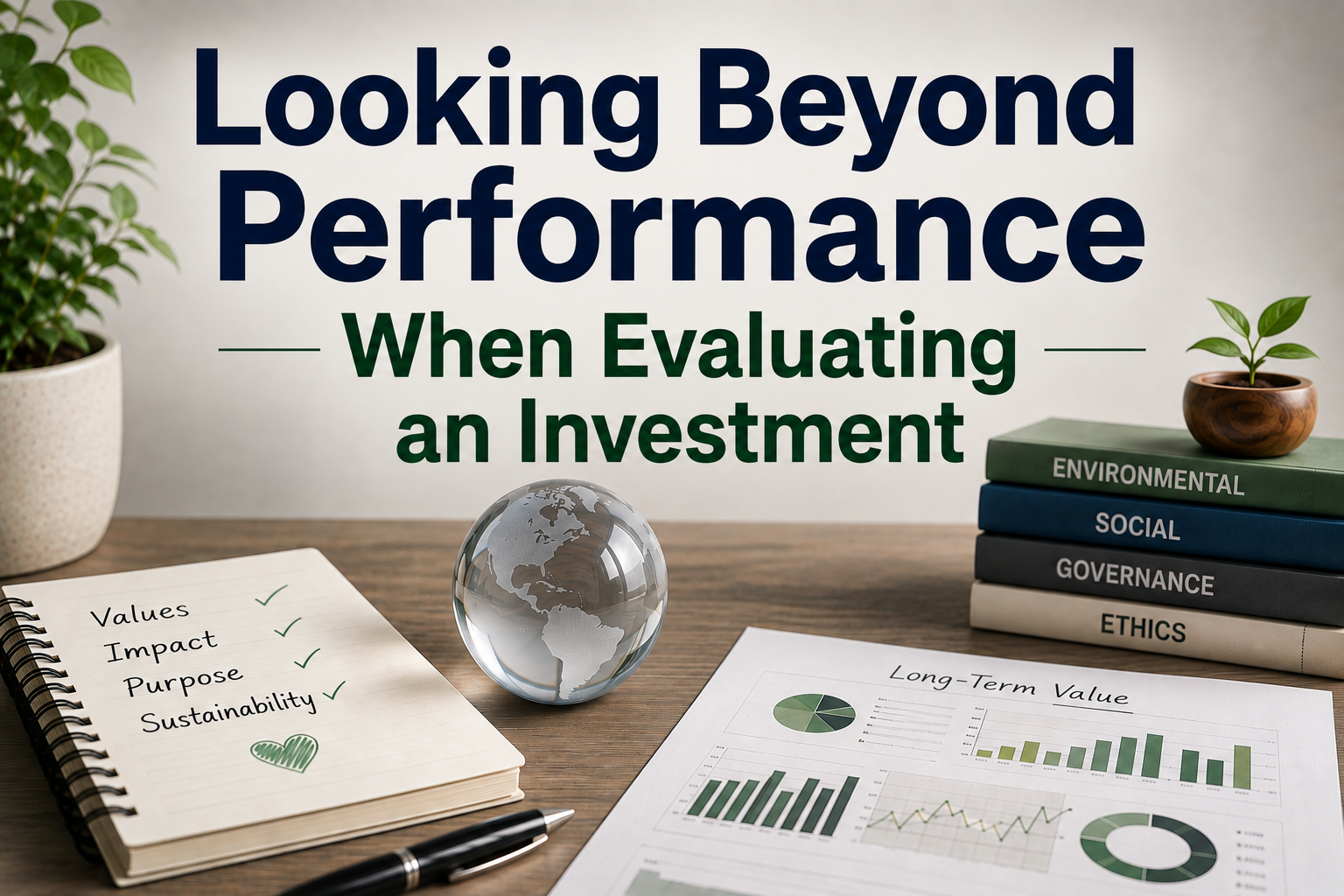
Many investors traditionally focus on financial returns alone. However, value-based financial planning may encourage individuals to also consider how their investments align with personal values, social priorities, or environmental concerns.
According to the Forum for Sustainable and Responsible Investment Foundation, sustainable investing assets in the United States reached $8.4 trillion in 2022.
This may suggest that a growing number of investors are interested in integrating financial considerations with broader ethical or societal preferences.
We believe that when investors direct capital toward companies they perceive as responsible or forward-thinking, it could potentially reinforce behaviors the market views favorably. According to MSCI, investor demand for sustainability related information has increased as investors seek additional data points when evaluating long-term business risks and opportunities.
Conversely, companies facing criticism over governance issues, labor concerns, environmental practices, or financial instability may experience increased scrutiny from investors and analysts. According to the CFA Institute, environmental, social, and governance factors may affect investment analysis and risk assessment processes.
It is important to recognize that investment outcomes are never guaranteed. All investments involve risk, including the possible loss of principal. Market behavior is influenced by numerous economic, geopolitical, and psychological factors, which can create volatility and uncertainty across financial markets. According to the International Monetary Fund, global economic conditions, inflation, and geopolitical developments can significantly affect market performance and investor confidence.
Why Retirement Accounts Matter More Than Many Realize
Employer-sponsored retirement plans often represent one of the largest investment vehicles available to individual households. Because of the scale of these assets, retirement account allocations may collectively carry significant economic influence.
We believe institutional and retirement fund flows can materially affect capital allocation trends and investment demand across sectors. Even though a single investor may own only a small portion of a company through mutual funds or retirement holdings, millions of participants acting together may potentially contribute to broader investment trends.
At Holistic Finance, we believe this concept is worth understanding within the framework of value-based financial planning. Retirement investing may not simply represent a path toward future income. It may also reflect how individuals choose to participate in the economic systems around them.
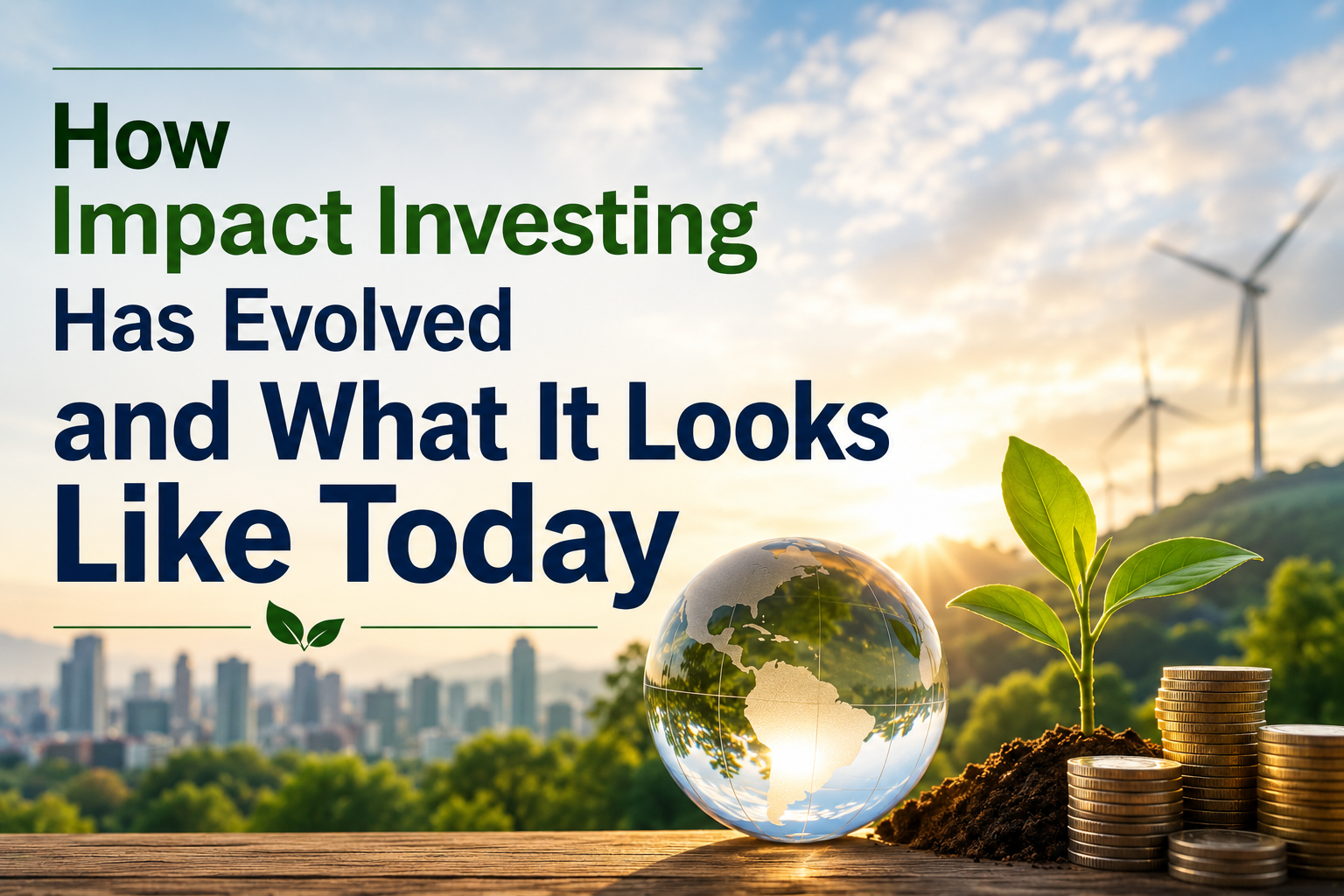
For example, some retirement plans now offer investment options that incorporate environmental, social, and governance considerations, often referred to as ESG investing. ESG factors may be used by investment managers as part of broader risk analysis and long-term business evaluation. We believe sustainable funds have potentially become increasingly available within certain retirement and employer-sponsored investment platforms.
That said, ESG investing and socially conscious investing strategies remain subjects of debate within the financial industry. Opinions may vary regarding the financial impact and effectiveness of ESG investing approaches. Investors should carefully review investment objectives, fees, risks, and long-term suitability before making changes to retirement portfolios. Understanding investment costs, diversification, and risk exposure may be an essential part of prudent retirement planning.
-Speaking the Language of the System
The public markets operate according to financial incentives, capital flows, and investor behavior. We believe capital markets play a significant role in allocating resources and financing economic activity. As we understand it, any effort to influence systemic economic change may require participation within those systems rather than complete avoidance of them.
In practical terms, this may mean investors choose to support businesses they believe align with their priorities while limiting exposure to companies they perceive differently. Shareholder engagement and investment selection can be among the approaches some investors may use when seeking to influence corporate practices. Over time, investor demand may potentially affect valuations, corporate policies, and executive priorities.
-We believe this is one reason value based financial planning continues to attract attention among certain investors. Rather than separating financial decisions from personal values entirely, some individuals may seek a balance between pursuing long-term financial goals and supporting investments that reflect broader beliefs or priorities.
Still, every investor’s situation is unique. We believe financial planning recommendations should consider risk tolerance, time horizon, tax considerations, liquidity needs, and overall diversification. No investment strategy can eliminate market risk or guarantee future performance. Diversification and asset allocation do not necessarily assure profits or protect against losses in declining markets.
Final Thoughts
Public markets remain a central part of modern economic life. According to Gallup, a majority of Americans own stock either directly or indirectly through retirement accounts, mutual funds, or other investment vehicles.
Whether through a 401(k), mutual fund, pension, or brokerage account, many individuals already participate in these systems every day.
At Holistic Finance, we believe retirement accounts may represent more than long term savings vehicles. They may also provide an opportunity for investors to engage more thoughtfully with how capital is allocated throughout the economy. This perspective can be an important aspect of value based financial planning.
Investors should always consult qualified financial professionals before making investment decisions. It is our understanding that all investing involves risk, including possible loss of principal, and past performance does not guarantee future results.
Disclosures
Advisory services are offered through Holistic Finance LLC, an SEC Registered Investment Adviser. Registration does not imply a certain level of skill or training. This article is for informational and educational purposes only and does not constitute investment, tax, or legal advice. References to specific financial institutions are for example purposes only and do not constitute endorsements or recommendations. Incorporating a social objective or other non-financial objective into investment decisions will result in investment recommendations that are not only focused on maximizing a financial return.